
When it comes to heart health, understanding cardiac surgery is essential. On this page, we will delve into the world of Cardiac Heart Surgery, shedding light on the symptoms that may necessitate this procedure, the underlying causes, associated risk factors, potential complications, and preventive measures to safeguard your heart’s well-being.
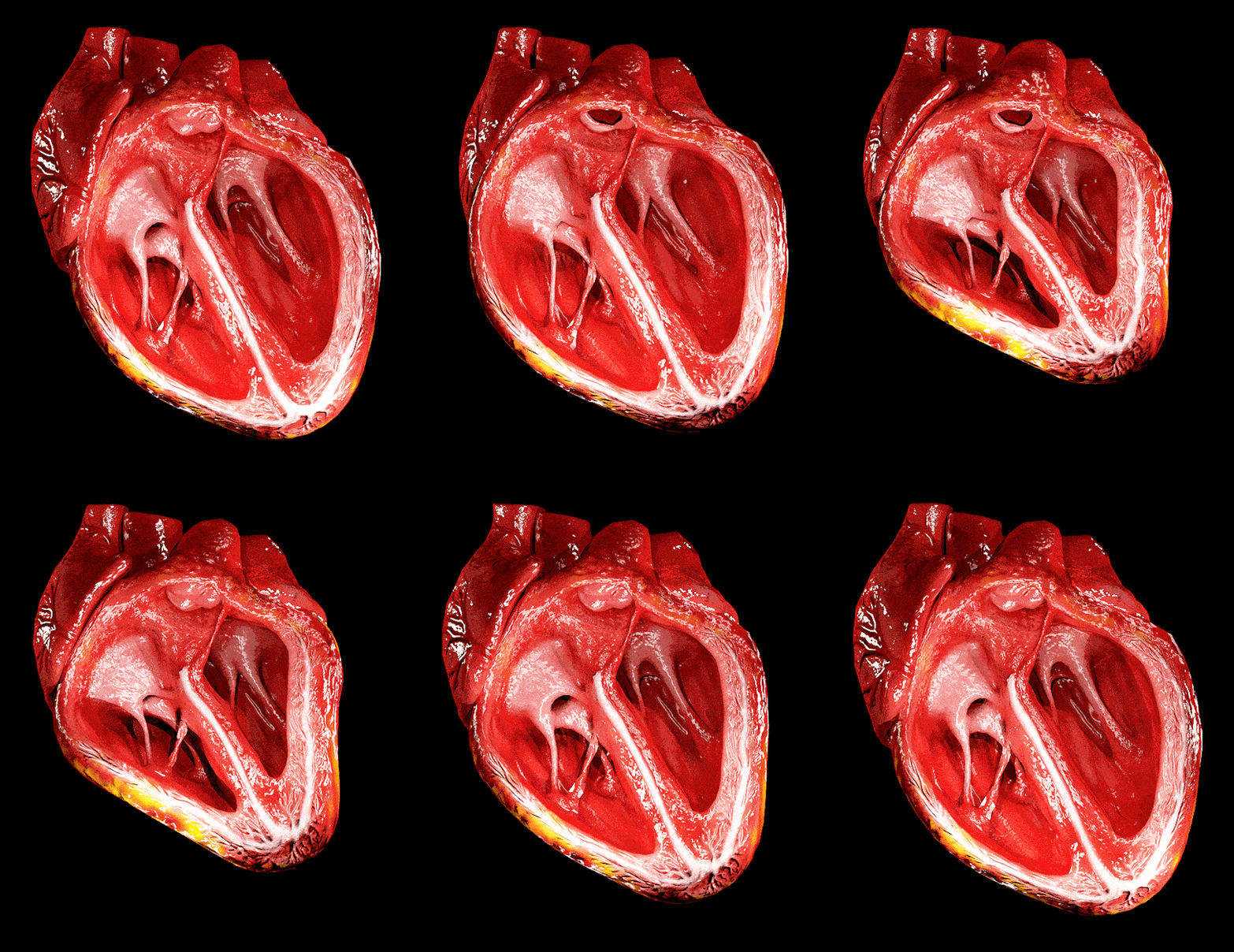
Cardiac Heart Surgery
Symptoms
Cardiac heart surgery is a critical medical procedure aimed at addressing various heart conditions and restoring optimal heart function. Recognizing the symptoms that might indicate the need for this procedure is vital. Patients experiencing chest pain or discomfort (angina), shortness of breath, irregular heartbeat, fatigue, dizziness, swelling in the legs, or persistent cough should seek medical evaluation promptly.
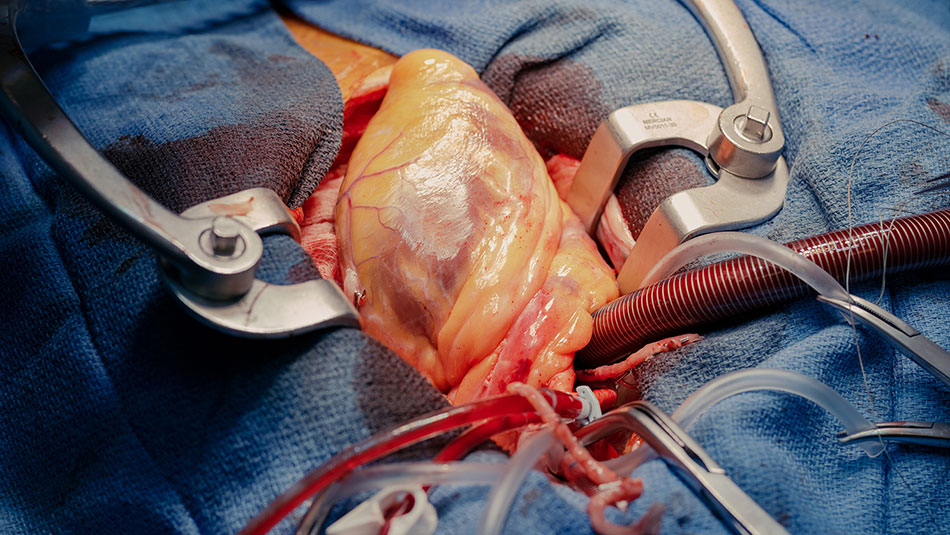
Causes
The underlying causes for which cardiac surgery might be necessary include coronary artery disease leading to arterial blockages, heart valve disorders affecting blood flow, aortic aneurysms resulting in a weakened aorta, congenital heart defects present from birth, and heart failure impacting the heart’s pumping ability.
Risk factors
Several risk factors contribute to the development of heart problems, potentially leading to the need for cardiac surgery. These risk factors include smoking, high blood pressure, elevated cholesterol levels, diabetes, a family history of heart disease, a sedentary lifestyle, and excessive stress.

Complications
While cardiac surgery is a vital intervention, it is not without its potential complications. Patients should be aware that complications such as infections, bleeding, blood clots, stroke, irregular heart rhythms, and kidney problems may arise. However, our experienced medical team is committed to managing these risks to ensure the safety and well-being of our patients.
Prevention
Prevention plays a crucial role in maintaining heart health and avoiding the need for cardiac surgery. Maintaining a healthy lifestyle, including a balanced diet and regular exercise, abstaining from smoking, managing stress levels, and keeping underlying health conditions under control can significantly reduce the risk of heart problems and the need for invasive cardiac procedures.